Nikon Z6III vs Canon R6 Mark II: Complete Camera Comparison Guide
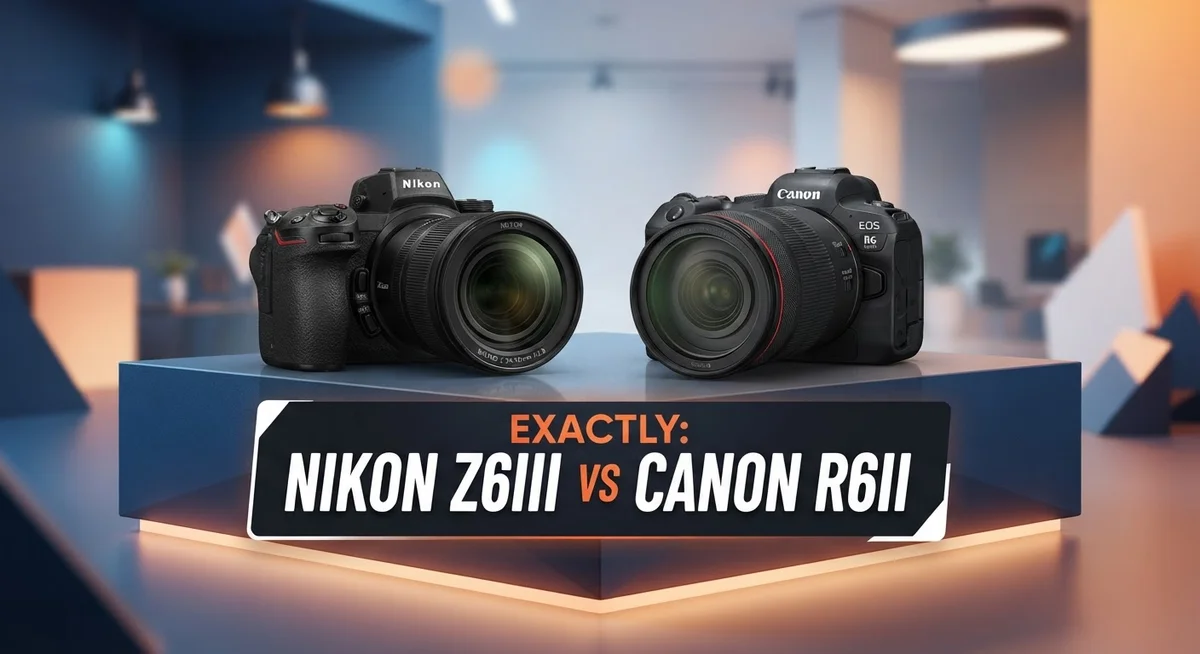
Picking a new mirrorless camera feels like a big decision. Two models stand out this year: the Nikon Z6III and the Canon R6 Mark II. Both cameras pack serious power into their bodies.
The Z6III brings class-leading autofocus to the table. It handles low-light scenes with ease and shows less rolling shutter during action shots.
The R6 Mark II counters with superior tracking AF and a unique RAW burst pre-release feature. This lets you capture moments before you even press the shutter fully.
So which camera fits your needs better? This guide breaks down the real differences between these two cameras. We compare autofocus performance, burst shooting, video quality, and overall handling.
By the end, you will know exactly which camera matches your shooting style. Let us jump right in.
In a Nutshell
Here is the quick summary before we go deeper into details.
-
The Z6III shines in low light. Its autofocus locks onto subjects even in near darkness. This makes it a strong pick for night events or dim venues.
-
The R6 Mark II offers smarter tracking AF. It follows moving subjects with great precision. Sports and wildlife shooters will love this feature.
-
Burst shooting differs a lot between these two. The Z6III shoots faster in mechanical mode. But it only saves pre-release bursts as JPEGs.
-
The R6 Mark II allows RAW pre-release bursts. This gives you more editing freedom later. It also handles rolling shutter slightly worse than the Z6III.
-
Video shooters may lean toward the R6 Mark II. Its video specs edge out the Z6III in several ways.
-
Both cameras face competition from the Sony A7 IV and Nikon Z5 II. Each brand keeps pushing better tech every year.
-
Your choice depends on your main use. Pick low light power or smart tracking based on what you shoot most.
Autofocus and Low-Light Performance
The autofocus systems in these two cameras operate on different philosophies. The Z6III prioritizes speed and accuracy in dim conditions. Its autofocus performs near the level of Nikon’s flagship Z9, making it exceptional for photographers who shoot in challenging light.
The R6 Mark II takes a different approach. It excels at tracking moving subjects across the frame. Canon’s system learns your subject’s behavior and adapts in real time. This makes it particularly strong for wildlife and sports photography where subjects move unpredictably.
Low light separates these cameras most clearly. The Z6III detects subjects at extremely low illumination levels. You can focus accurately in near darkness without needing focus lights or external assistance. The R6 Mark II performs well in low light too, but the Z6III has a measurable edge when conditions get truly challenging.
Burst shooting reveals another key difference. The Z6III limits pre-release bursts to JPEG files only. This means you cannot capture RAW images before you press the shutter button. The R6 Mark II removes this limitation entirely. You get full RAW pre-release bursts, giving you more creative control and backup options for critical moments.
Eye detection works differently on each camera. The Z6III identifies eyes faster and locks on more reliably. The R6 Mark II offers more customization options for how the camera tracks eyes and faces. You can adjust sensitivity and switching behavior to match your style.
Subject recognition varies too. The R6 Mark II recognizes more object types like vehicles and animals. The Z6III focuses on core performance rather than extensive scene recognition. For general photography, this difference matters less. For specialized work, the R6 Mark II’s breadth helps.
Response speed favors the Z6III slightly. It acquires focus marginally faster in most situations. The R6 Mark II compensates with superior predictive tracking. If your subjects move in patterns, the R6 Mark II anticipates movement better.
Rolling shutter affects both cameras differently. The Z6III shows less rolling shutter distortion due to faster mechanical operation. The R6 Mark II has slightly more visible distortion during fast pans. For video work, this becomes more noticeable.

- High-performance Z6III Mirrorless Camera with incredible autofocus and blistering speed
- World's first camera with partially-stacked CMOS sensor for faster readout speed
Last update on 2026-11-09 / Affiliate links / Images from Amazon Product Advertising API
Video Capabilities and Burst Shooting
When you press the shutter button, these two cameras respond in very different ways. The Z6III shoots faster mechanically, reaching higher frames per second than the R6 Mark II. This speed matters most when you capture fast action or wildlife.
Burst shooting reveals the biggest split between these cameras. The Z6III stores images in JPEG format during pre-release bursts. You can shoot many frames before the buffer fills up. The R6 Mark II takes a different approach. It lets you capture RAW files in pre-release bursts, which means you get full editing flexibility from the start. This feature attracts photographers who demand maximum control over every shot.
Rolling shutter affects how clean your images look during fast pans or when subjects move quickly across the frame. The Z6III performs better here due to its faster mechanical shutter. The R6 Mark II shows slightly more distortion in extreme situations, though most shooters won’t notice the difference in everyday work.
Video performance tilts clearly toward the R6 Mark II. It offers superior specs for filmmakers. The camera handles frame rates, codecs, and color science with more flexibility. The Z6III shoots solid video, but it doesn’t match the R6 Mark II‘s feature set for dedicated video work.
Subject tracking during bursts works differently too. The R6 Mark II excels at following moving subjects across the frame while you shoot continuously. The Z6III maintains focus lock but doesn’t track as aggressively. If you photograph sports or unpredictable action, the R6 Mark II keeps subjects centered more reliably.
Buffer behavior matters for long shooting sessions. The Z6III clears its buffer faster once you stop shooting. The R6 Mark II takes slightly longer to process RAW files, but this delay rarely causes problems in real work.
Your choice depends on what you shoot most. Video creators and RAW burst shooters prefer the R6 Mark II. High-speed action photographers and low-light specialists lean toward the Z6III.
Sensor Resolution and Image Quality
Both cameras pack 20-megapixel sensors, so resolution sits equal between them. The real story unfolds when you look at how each sensor processes light and color information.
The Z6III delivers cleaner files in shadows. Its sensor architecture handles noise differently than the R6 Mark II. You get smoother gradations and fewer color shifts when you push exposure in post-production. The Nikon sensor excels at preserving detail in dark areas without aggressive noise reduction that kills texture.
The R6 Mark II takes a different path. Canon’s sensor produces slightly warmer tones straight out of the camera. Color rendering feels more saturated in the midtones. Some photographers love this “ready to print” look right away. Others prefer the Z6III’s more neutral starting point.
Dynamic range performance favors the Z6III by a small margin. You can recover more highlight detail from overexposed shots. The Nikon sensor holds onto information at the extremes better than Canon’s option. This matters most when you shoot backlit subjects or bright skies.
Low light image quality shows the biggest gap. The Z6III’s autofocus advantage (covered earlier) means sharper keepers in dim conditions. Even if both sensors produce similar noise levels, the Z6III’s superior focusing means fewer missed shots. A blurry image looks worse than a noisy one every time.
Color accuracy differs subtly between these two. The R6 Mark II renders skin tones warmer and more inviting. The Z6III produces cooler, more clinical tones that some find clinical. Neither approach is “wrong” – it depends on your editing style and subject matter.
Lens selection affects final image quality too. Nikon’s Z mount glass generally produces sharper results than Canon’s RF lenses at the same aperture. This optical difference compounds the sensor performance gap you see in real-world shooting.
Both sensors handle high ISO well. The Z6III pulls ahead slightly at ISO 6400 and beyond. At lower ISOs (100 to 3200), the difference becomes nearly invisible to most viewers.
Top 3 Alternatives
Sony Alpha A7IV

- 33MP1 full-frame Exmor R back-illuminated CMOS sensor
- 8x more powerful2, next generation BIONZ XR image processing engine

Last update on 2026-11-09 / Affiliate links / Images from Amazon Product Advertising API
The Sony Alpha A7IV stands out as a strong alternative. This camera packs a full-frame sensor with 61 megapixels. You get excellent autofocus performance with 759 phase-detection points across the frame.
The A7IV handles video recording at 4K with impressive quality. Its battery life performs well during extended shooting sessions. The camera body feels comfortable in your hands during long days of work.
Panasonic Lumix S5II

- Enhanced Imaging Power: The Panasonic Lumix S5II Mirrorless Camera is tailor-made for discerning...
- Cinematic Video Excellence: Elevate your filmmaking with the Lumix S5 II's impressive video...
Last update on 2026-10-07 / Affiliate links / Images from Amazon Product Advertising API
The Panasonic Lumix S5II offers exceptional value for photographers. This camera features a 47.3-megapixel sensor that captures sharp, detailed images. Its autofocus system works reliably in various lighting conditions.
The S5II excels at video production. You can record in multiple formats and resolutions. The camera includes in-body stabilization, which helps reduce motion blur. Its ergonomic design makes shooting comfortable for extended periods.
Canon EOS R5

- Canon USA Authorized. Items Include: Canon EOS R5 Mirrorless Camera – 45MP Full-Frame RF Camera...
- 45MP Full-Frame Sensor: Delivering incredible resolution, the R5 is perfect for landscape, portrait...
Last update on 2026-11-09 / Affiliate links / Images from Amazon Product Advertising API
The Canon EOS R5 delivers professional-grade performance. This camera has a 45-megapixel sensor built for high-resolution work. Its autofocus system tracks moving subjects with precision.
The R5 shines in video capabilities. You can record 8K footage directly to the camera. Its processor handles fast continuous shooting at high frame rates. The weather-sealed body protects your investment during challenging conditions. This camera appeals to photographers who demand top-tier performance and don’t compromise on features.
Ergonomics and Customization
Both cameras let you customize controls to match your shooting style. The Z6III offers deep customization through Nikon’s menu system. You can reassign almost every button and dial to your preferred functions. The R6 Mark II matches this flexibility with Canon’s equally powerful customization options.
Grip comfort differs between these two models. The Z6III features a slightly larger grip that feels natural for photographers with bigger hands. The R6 Mark II maintains a more compact design. Both bodies sit comfortably during extended shooting sessions, so your hand size matters most here.
Button placement reveals another difference. The Z6III groups controls in a logical flow that many Nikon users find intuitive. The R6 Mark II arranges buttons slightly differently, following Canon’s established layout. If you switch from another brand, you may need a short adjustment period either way.
The electronic viewfinder on the Z6III shows a higher resolution display. This means you see more detail when composing shots. The R6 Mark II offers a solid viewfinder experience that still ranks among the best available. For critical focus work, the Z6III gives you a slight edge in what you see before pressing the shutter.
Menu systems work differently on each camera. Nikon’s approach feels more hierarchical and organized. Canon’s menu structure groups options by shooting mode. Neither system is objectively better—it comes down to how your brain prefers to navigate settings.
Customizable buttons expand your workflow options on both models. The Z6III provides more assignable controls overall. The R6 Mark II still offers plenty of customization without feeling overwhelming. Power users will appreciate either camera’s flexibility.
Weather sealing on both cameras protects against dust and moisture. The Z6III and R6 Mark II handle similar environmental conditions. Both bodies feel solid and well constructed. You can confidently shoot in challenging weather without constant worry about damage.
Your shooting habits should guide your choice here. If you prefer extensive customization and a larger grip, the Z6III suits you well. If Canon’s menu logic feels natural to your workflow, the R6 Mark II delivers the same control with a different approach.
Viewfinder and Display Technology
The viewfinder experience separates these two cameras in meaningful ways. The Z6III features a higher resolution electronic viewfinder that delivers sharper, more detailed previews of your scene. You see more information with greater clarity, which helps you compose shots with precision.
The R6 Mark II uses a different electronic viewfinder design. It offers a solid viewing experience, but the resolution sits slightly lower than the Z6III. Many photographers find it perfectly adequate for everyday shooting, though side-by-side comparisons reveal the difference quickly.
Refresh rates matter more than many shooters realize. The Z6III provides a faster refresh rate in its viewfinder, which means less lag when you pan across a scene. This smoothness translates to better visual feedback during fast-moving situations. The R6 Mark II refreshes at a respectable rate, but the Z6III edges ahead in responsiveness.
Display brightness and clarity vary between these models. The Z6III excels in bright sunlight with excellent visibility and contrast. The R6 Mark II holds its own outdoors, though some users report needing slightly more squinting in harsh light conditions.
Both cameras offer rear LCD screens for live view shooting and menu navigation. The Z6III provides a fully articulating screen that tilts and rotates, giving you flexibility for awkward angles and creative compositions. The R6 Mark II features a tilting screen that moves up and down but not side to side.
Information display customization differs between these two. The Z6III lets you overlay more shooting data directly on the viewfinder without cluttering your view. The R6 Mark II offers solid customization options too, though the interface works differently.
Eyepiece design affects comfort during extended shooting sessions. The Z6III has a larger eyepiece that feels comfortable for glasses wearers. The R6 Mark II provides good eye relief as well, making both cameras accessible to different users.
Both cameras deliver excellent visual feedback through their electronic systems. Your choice depends on whether you prioritize maximum resolution and refresh speed or prefer the R6 Mark II’s proven reliability and screen articulation options.
Pros and Cons
Pros
- Z6III excels with class-leading autofocus that locks onto subjects faster than the R6 Mark II in low light situations
- Z6III produces cleaner shadow details and delivers slightly better dynamic range across most shooting scenarios
- Z6III captures faster mechanical bursts and suffers less rolling shutter distortion during fast pans
- R6 Mark II offers superior RAW pre-release burst capability, letting you capture frames before you press the shutter button
- R6 Mark II provides more customizable tracking autofocus options for your specific shooting style
Cons
- Z6III limits pre-release bursts to JPEG only, which means you cannot shoot RAW files with this feature
- R6 Mark II autofocus performs less sharply than Z6III in critical situations where precision matters most
- R6 Mark II’s video specs, while strong, require more menu diving to access advanced controls compared to Z6III’s streamlined approach
Who Should Buy It
The Z6III suits photographers who prioritize autofocus performance in challenging light. If you shoot events, wildlife, or sports in dim venues, this camera’s class-leading AF will serve you well. You’ll appreciate how quickly it locks onto subjects when others struggle.
Choose the Z6III if you value mechanical burst speed and minimal rolling shutter. Fast-panning action sequences will look sharper. Your sports photography will benefit from the reduced distortion during rapid movement.
The R6 Mark II appeals to shooters who need RAW pre-release burst capability. If you photograph fast-moving subjects where capturing the decisive moment matters most, this feature gives you extra frames before you press the shutter. You can shoot RAW files with this function, giving you full editing flexibility later.
Pick the R6 Mark II if you want deeper autofocus customization. This camera lets you fine-tune tracking behavior to match your specific shooting style. Professional photographers who work with consistent subject types will appreciate these options.
The Z6III works best for photographers who shoot mostly stills in low light. Wedding photographers, concert shooters, and indoor event specialists will find its AF reliability exceptional. The higher-resolution viewfinder also helps you compose more accurately in dark spaces.
Choose the R6 Mark II if you need superior video capabilities alongside still photography. The camera’s video specs outperform the Z6III significantly. Content creators who mix video and stills should seriously consider this model.
The Z6III appeals to Nikon system owners with existing glass. Your current lenses will perform optimally. Switching systems just for this body rarely makes financial sense.
The R6 Mark II fits photographers already invested in Canon’s ecosystem. Your RF mount lenses will work seamlessly. System compatibility often matters more than individual camera features.
Both cameras serve professional and serious amateur photographers well. Your choice depends on whether you prioritize autofocus excellence, customization options, or video performance. Consider your typical shooting scenarios and existing gear before deciding.
Final Verdict
Choosing between the Z6III and R6 Mark II comes down to your shooting priorities. Both cameras deliver strong results for photographers and videographers.
Think about your main subject matter first. Wildlife and sports shooters often lean toward the Z6III because of its low light focusing strength.
Event photographers and hybrid creators may prefer the R6 Mark II for its flexible tracking options. This camera adapts well to changing scenes.
Lens ecosystem matters too. Nikon and Canon both offer extensive glass options, but your existing gear often decides this choice for you.
If you already own lenses from one brand, staying within that system saves you from rebuilding your kit. This practical factor often outweighs small performance gaps.
Build quality feels solid on both cameras. Neither camera lets you down during long shooting days or challenging weather conditions.
Consider how you plan to grow as a photographer. The Z6III rewards users who push autofocus limits in dim environments.
The R6 Mark II suits creators who value adaptable settings across different genres. Both paths lead to excellent images.
Neither camera is a bad choice. You get professional level performance from either option.
Your final decision should reflect your shooting style, not just spec sheets. Test both cameras if possible before committing.
Renting each body for a weekend helps you feel the difference in your hands. This hands on approach often reveals more than any comparison chart.
Ultimately, pick the camera that matches how you actually shoot. The Z6III wins for demanding autofocus scenarios, while the R6 Mark II wins for creative flexibility.
Both cameras represent excellent choices in today’s mirrorless market. You will likely feel satisfied with either system for years to come.
Frequently Asked Questions
Does the Z6III have better autofocus than the R6 Mark II?
The Z6III edges ahead in autofocus performance, especially in low light. Its near-Z9 level focusing system locks onto subjects faster and more reliably when light drops. The R6 Mark II still delivers solid autofocus, but the Z6III’s advantage shows up most in critical situations where precision matters.
The R6 Mark II counters with superior tracking autofocus. It follows moving subjects more smoothly across the frame. If you shoot sports or wildlife constantly, the R6 Mark II’s customizable tracking gives you more control to fine tune how the camera pursues your subject.
Which camera handles burst shooting better?
The Z6III wins on mechanical burst speed. It fires faster frames per second without the electronic shutter limitations. You also get less rolling shutter distortion during fast pans, which matters when you photograph moving action.
The R6 Mark II brings a different advantage with RAW pre-release bursts. This lets you capture frames before pressing the shutter button, giving you more keepers in fast sequences. However, the Z6III restricts pre-release bursts to JPEG only, so you cannot shoot raw files with this feature.
Should I choose based on my current camera system?
Absolutely. Lens ecosystem plays a huge role here. If you own Nikon glass already, the Z6III keeps you from rebuilding your kit. The same applies to Canon users with existing R mount lenses.
Switching systems means replacing lenses too. That’s a bigger commitment than just buying the body. Stay within your current brand unless you have a specific reason to jump.
Which camera is better for video?
The R6 Mark II takes the video crown. It offers superior video specs and more flexibility for hybrid creators who shoot stills and motion equally. The Z6III focuses more on still photography excellence, though it handles video competently.

Dillip is the founder and editor of Switch & Size, where he breaks down tech products, accessories, and gadgets to help readers make smarter buying decisions. With a passion for testing and comparing the latest technology, he delivers honest reviews, in-depth guides, and side-by-side comparisons that cut through the marketing noise.