Canon R10 vs R100: Complete Camera Comparison Guide
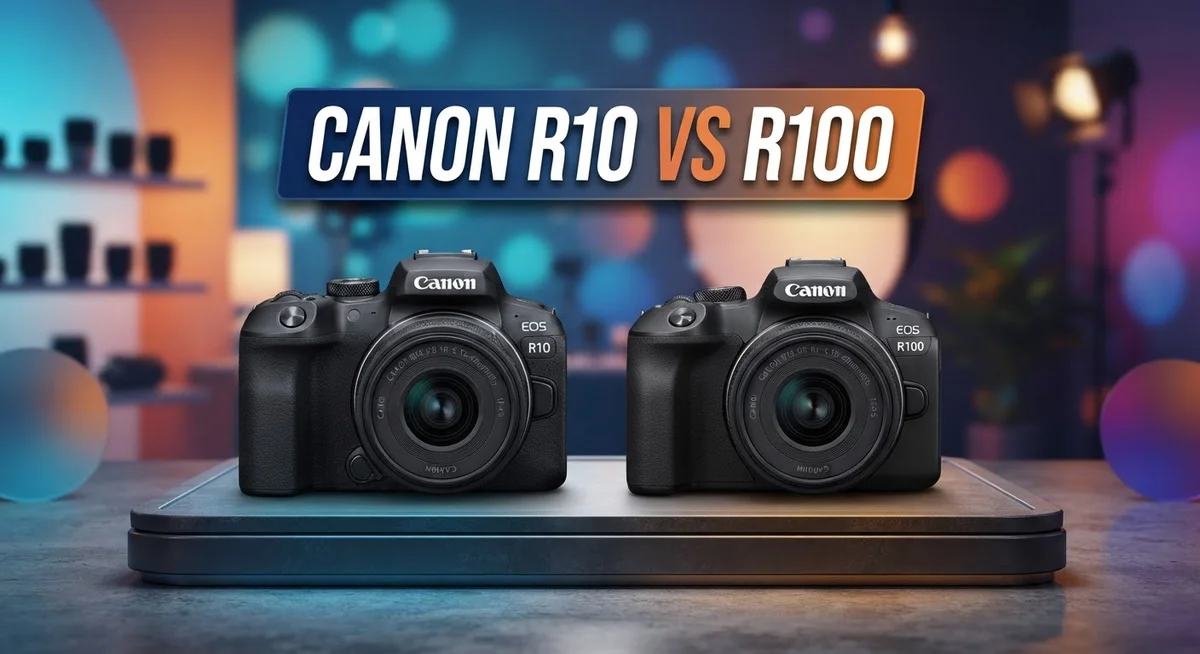
Picking a camera can feel tricky. Canon R10 and Canon R100 often confuse buyers who want the right fit.
Both cameras carry the Canon name. But they serve different needs and different skill levels.
The R10 brings advanced autofocus and fast burst shooting. It suits people who want speed and precision in their shots.
The R100 keeps things simple. It offers a lightweight body and an easy to use design. Beginners often find it a comfortable starting point.
This guide breaks down how these two cameras compare. We look at autofocus, connectivity, video quality, and build design.
By the end, you will know which camera matches your style. Whether you shoot fast action or casual clips, one of these Canon models fits your journey.
Let’s explore what makes each camera unique.
In a Nutshell
Here is a quick rundown of what sets these two cameras apart. Check these points before you decide.
-
The R10 offers superior autofocus and tracks moving subjects with ease. This makes it a smart pick for sports or wildlife shots.
-
The R100 stays lightweight and compact. You can carry it all day without feeling any strain.
-
Connectivity differs a lot. The R10 supports 5GHz Wi-Fi, while the R100 only handles 2.4GHz. This affects how fast you transfer files.
-
Some users report lag and blackout issues with the R100 during quick shooting. The R10 handles fast action more smoothly.
-
Beginners often love the R100 for its simple and intuitive interface. It removes guesswork from daily shooting.
-
Both cameras handle 4K video, so casual creators get solid results either way.
-
If you want more features and stronger build quality, the R10 wins. If simplicity is your goal, the R100 fits perfectly.
Keep these differences in mind as you explore the rest of this guide.
Autofocus and Performance
The autofocus systems in these two cameras reveal the biggest performance gap. The R10 uses advanced autofocus technology that locks onto moving subjects quickly and stays locked during action shots. The R100 relies on more basic autofocus that works fine for still scenes but struggles when subjects move fast.
Burst shooting speed matters if you shoot sports, wildlife, or fast action. The R10 captures more frames per second, so you grab that perfect moment. The R100 shoots slower, meaning you might miss the peak action.
Real world shooting feels different between them. Users report that the R10 handles rapid-fire shooting smoothly without delays. The R100 sometimes experiences lag and blackout issues when you shoot quickly, especially when transferring files or reviewing images. This lag can interrupt your workflow and frustrate you during important shoots.
Processing power affects how each camera performs. The R10 processes images faster, so autofocus adjusts quicker and the camera responds instantly to your commands. The R100 takes longer to process, which creates that lag feeling some users mention.
Connectivity speed also impacts performance. The R10 supports 5GHz Wi-Fi, which transfers files much faster. The R100 only connects at 2.4GHz, so file transfer takes longer and wireless features feel sluggish.
For video shooting, both cameras handle 4K recording. The R10 offers smoother autofocus during video, keeping your subjects sharp as they move. The R100 works for casual video, but the autofocus hunts more visibly in the footage.
If you shoot fast action or need quick file transfers, the R10 clearly outperforms the R100. If you shoot mostly static subjects like portraits or landscapes, the R100 handles these scenes just fine. Think about what you actually shoot. Fast action shooters need the R10’s speed. Beginners shooting calm scenes find the R100 perfectly adequate for learning camera basics.

- Stellar Image Quality: Canon EOS R100 4K digital camera with 24.1 megapixel CMOS (APS-C) sensor for...
- Compact Design: Compact, lightweight EOS R series 4K camera with an affordable price; smallest and...

Last update on 2026-11-07 / Affiliate links / Images from Amazon Product Advertising API
Video and Image Quality
The R10 captures sharper details in both photos and videos compared to the R100. This comes down to processing power and sensor optimization. The R10’s advanced autofocus system locks onto subjects faster and holds focus more reliably during movement.
Image quality shows clear differences in low light situations. The R10 produces cleaner shots with less noise when you shoot in dim environments. The R100 handles basic lighting well but struggles when light drops significantly.
Video recording on both cameras supports 4K resolution. However, the R10 delivers smoother footage with better color accuracy. The R100 records 4K video acceptably for beginners, but the R10 gives you more control over frame rates and exposure settings.
Autofocus performance during video matters greatly if you film moving subjects. The R10 tracks motion smoothly without hunting for focus. The R100’s autofocus can feel sluggish during video recording, especially with fast moving action.
Dynamic range differs between these two models. The R10 captures more detail in bright skies and dark shadows simultaneously. The R100 tends to lose detail in extreme lighting conditions. This affects your ability to recover lost information during editing.
Burst shooting impacts how you capture fast moments. The R10 shoots at a faster rate, so you get more frames per second. This means better chances of catching the perfect expression or action. The R100 shoots slower, which limits your options for rapid sequences.
Color reproduction shows another quality gap. The R10 renders colors more accurately across different lighting conditions. The R100’s color output looks acceptable but lacks the depth and precision of the R10.
Processing speed affects file handling too. The R10 processes images faster, so you spend less time waiting. The R100 can feel sluggish when writing files to the memory card, especially during continuous shooting.
For professional or serious hobbyist work, the R10’s image and video quality stands out clearly. For casual shooting and learning photography basics, the R100 delivers acceptable results. Your specific needs will determine which quality level suits you best.
Design, Build Quality, and Portability
The Canon R10 and R100 take different approaches to physical design. The R100 prioritizes portability with a smaller frame and lighter weight. You can slip it into a bag without thinking twice. The R10 feels more substantial in your hands, reflecting its advanced engineering and stronger internal components.
Build quality shows a clear separation between these two models. The R10 uses premium materials throughout its chassis. Its construction feels solid and professional. The R100 uses simpler materials to keep things basic and accessible. Both cameras survive everyday use, but the R10 withstands more demanding conditions better.
Ergonomics matter when you hold a camera for hours. The R10 offers better grip design and button placement. Your fingers find controls naturally without hunting around. The R100’s layout works fine for casual shooting. New users often appreciate its straightforward button arrangement. Neither camera causes hand fatigue, though the R10 feels more refined during extended sessions.
Weather sealing differs significantly between them. The R10 includes basic weather resistance that protects against light rain and dust. The R100 lacks this protection entirely. If you shoot outdoors frequently, the R10 keeps your investment safer.
The viewfinder experience changes how you frame shots. The R10 features a high resolution electronic viewfinder that shows accurate colors and details. The R100 uses a simpler viewfinder that works adequately for most situations. You notice the difference most in bright sunlight.
Screen quality affects menu navigation and image review. The R10’s display shows vibrant colors and responds quickly to touches. The R100’s screen functions well for basic operations. Both flip out for flexible shooting angles, which helps with creative compositions.
Weight distribution impacts how the cameras feel during shooting. The R10 balances nicely even with larger lenses attached. The R100 remains featherlight, making it ideal for travel and casual work. Your choice here depends on whether you value stability or simplicity.
Both cameras fit different hands and shooting styles. The R10 suits photographers who want a professional feel and robust construction. The R100 works perfectly for beginners exploring photography without extra bulk.
Top 3 Alternatives
Sony A6700

- 26.0MP APS-C format Exmor R back-illuminated CMOS sensor
- BIONZ XR processing power for exceptional image quality
Last update on 2026-11-07 / Affiliate links / Images from Amazon Product Advertising API
The Sony A6700 offers fast autofocus performance that rivals professional cameras. This camera excels at tracking moving subjects with 759 phase-detection autofocus points. You get real-time Eye AF that locks onto people and animals instantly.
The sensor captures 26 megapixels of detail. Video recording reaches 4K at 60fps with excellent stabilization. The compact body makes it easy to carry on adventures.
Nikon Z30

- Nikon USA Authorized. Items Include: Nikon Z30 Mirrorless Camera with NIKKOR Z DX 16-50mm f...
- Complete Vlogging Camera Kit – The Nikon Z30 paired with the NIKKOR Z DX 16-50mm VR lens delivers...
Last update on 2026-11-07 / Affiliate links / Images from Amazon Product Advertising API
The Nikon Z30 brings lightweight simplicity to content creation. This camera weighs significantly less than comparable models, making it perfect for vlogging and travel.
The 20.9-megapixel sensor produces clean images in various lighting conditions. You’ll appreciate the flip-out screen for selfies and creative angles. The autofocus system keeps subjects sharp during video recording. Battery life stretches further than many competitors, so you shoot longer between charges.
Fujifilm X-S20

- FUJIFILM X-S20 Mirrorless Camera with XC 15-45mm f/3.5-5.6 OIS PZ Lens (USA Warranty) 16781943
- SanDisk 128GB SDXC Extreme PRO Memory Card, Vivitar Memory Card Wallet, SD Card Reader
Last update on 2026-10-12 / Affiliate links / Images from Amazon Product Advertising API
The Fujifilm X-S20 combines film simulation technology with modern features. This camera includes 27 built-in film simulations that mimic classic film stocks. Your photos gain character straight from the sensor without heavy editing.
The 26.1-megapixel sensor delivers vibrant colors and strong detail. Video capabilities include 4K recording with several frame rate options. The retro design appeals to photographers who love classic camera aesthetics. The compact size fits comfortably in bags and hands.
Each option serves different needs. Choose Sony for autofocus speed, Nikon for portability, or Fujifilm for creative image processing. All three cameras handle photography and video effectively for enthusiasts and professionals alike.
Connectivity and User Interface
The R10 and R100 differ significantly in how they connect to the world and how you interact with them.
Wi-Fi connectivity shows the first major gap. The R10 supports both 2.4GHz and 5GHz Wi-Fi bands. The R100 only works with 2.4GHz connections. This means the R10 transfers files faster when you have a modern router. The R100 can feel sluggish during file transfers, especially if your network gets congested.
The R100 has experienced reported issues with connectivity lag and occasional blackouts. Users mention these problems interrupt workflow when uploading or syncing images. The R10 handles these tasks more smoothly without the interruptions.
Menu systems reflect different design philosophies. The R100 keeps things simple and intuitive for beginners. New users find menus easy to navigate without getting lost. The R10 offers more advanced options buried in deeper menus. Experienced photographers appreciate the extra controls. Beginners might find the R10 slightly overwhelming at first.
The touchscreen experience differs too. Both cameras have rear screens, but responsiveness varies. The R100’s interface responds quickly to taps and swipes. The R10 provides faster processing of menu commands. This small difference adds up during long shooting sessions.
Button layout matters for quick adjustments. The R10 includes more dedicated buttons for common functions. You can change settings without diving into menus. The R100 requires more menu navigation for the same tasks. This approach keeps the R100 simpler but slower for adjustments.
Bluetooth connectivity appears on the R10 for remote control and faster image transfer to phones. The R100 lacks this feature entirely. If you want wireless control or quick mobile uploads, the R10 delivers.
The R10 suits photographers who value speed and connectivity options. The R100 works well for users who prefer simplicity over advanced features. Think about how you’ll connect your camera to computers and phones. Consider whether you need fast file transfers or just occasional uploads. Your workflow determines which interface serves you better.
Burst Shooting and Speed
The Canon R10 and R100 handle burst shooting very differently. The R10 captures photos at a much faster rate when you hold down the shutter button. This speed matters most when you shoot sports, wildlife, or any fast action.
The R10’s burst mode lets you fire off many frames per second. You get more chances to catch the perfect moment. The R100 moves slower in comparison. It takes longer between each shot when you’re in burst mode.
Continuous autofocus during burst shooting sets these cameras apart too. The R10 keeps tracking your subject as you fire away. The R100 struggles to maintain focus on moving objects during rapid shooting. This difference becomes obvious when you photograph running animals or moving people.
Processing speed affects how quickly each camera saves your images. The R10 handles large files faster. You can shoot longer bursts before the camera needs to write data to the memory card. The R100 fills up its buffer sooner. You must wait before you can shoot again.
File handling speed also impacts your workflow after shooting. The R10 transfers images to your computer more quickly. The R100 takes longer to move files around. If you shoot hundreds of photos per session, this adds up.
For action photography, the R10 clearly wins in burst performance. You’ll capture more usable shots from each sequence. The R100 works fine for slower subjects and posed shots. It just can’t match the R10’s speed when things move fast.
The R100 suits photographers who shoot landscapes, portraits, or still life. You rarely need rapid-fire shooting for these subjects. But if you chase moving subjects regularly, the R10’s burst capabilities make a real difference. You get more keepers from each shooting session.
Speed matters in burst shooting, and the R10 delivers significantly more of it. Choose based on what you actually photograph most often.
Pros and Cons
Pros
- R10: Advanced autofocus system locks onto subjects faster and more accurately than the R100
- R10: Faster burst shooting captures rapid sequences, perfect for action and wildlife photography
- R10: Superior build quality with weather sealing protects your camera in challenging conditions
- R10: 5GHz Wi-Fi and Bluetooth connectivity enable quick image transfers to your phone and remote control options
- R100: Lightweight and compact design makes it easy to carry all day without fatigue
Pros
- R100: Intuitive menu system helps beginners navigate settings quickly without confusion
- R100: Records 4K video, giving you flexibility for both photos and video projects
- R100: Straightforward feature set focuses on essentials without overwhelming new users
Cons
- R10: Higher investment required compared to the R100
- R100: Limited to 2.4GHz Wi-Fi connectivity, which transfers files slower than the R10’s 5GHz option
- R100: Reported connectivity lag and occasional blackout issues disrupt your shooting workflow
- R100: Fewer advanced features restrict what experienced photographers can do with the camera
Who Should Buy It
The R10 suits photographers who demand speed and advanced features. If you shoot action, wildlife, or sports, the R10’s superior autofocus and faster burst rate keep up with fast moving subjects. You get more frames per second, so you capture the decisive moment reliably.
The R10 works well for professionals and serious enthusiasts. You need a camera that responds instantly and handles complex shooting scenarios. The advanced autofocus locks onto subjects faster and more accurately. Weather sealing protects your gear in rain, dust, or challenging outdoor conditions.
Choose the R10 if you rely on fast connectivity. The 5GHz Wi-Fi and Bluetooth let you transfer images to your phone quickly. Remote control options give you flexibility for creative shots. These features matter when you shoot on assignment or need to share images immediately.
The R100 fits beginners and casual photographers perfectly. You want a camera that feels simple and doesn’t overwhelm you with options. The intuitive menu system helps you find settings without frustration. The lightweight, compact design means you actually carry it everywhere instead of leaving it at home.
The R100 works great for school programs and educational settings. Teachers need reliable equipment that students can handle without complexity. The affordable nature of the camera means institutions can buy multiple units. Recording 4K video adds flexibility for projects that mix photos and video.
Choose the R100 if you shoot landscapes, portraits, or still life subjects. These genres don’t require blazing burst speeds or advanced autofocus tracking. You have time to compose and adjust settings between shots. The camera delivers excellent image quality for these applications.
The R100 appeals to travelers who prioritize portability. A lighter camera reduces fatigue during long days of exploration. You focus on experiencing locations rather than managing technical complexity. The camera captures memories without demanding constant attention.
Pick the R10 if speed, connectivity, and advanced features drive your photography. Pick the R100 if simplicity, portability, and ease of use matter most to you.
Final Verdict
Choosing between the Canon R10 and R100 comes down to what you need from a camera.
Both cameras carry the Canon name, but they serve different photographers. Think about your goals before you decide.
The R10 shines as a long term investment. Its advanced features grow with your skills. Serious hobbyists and content creators will find more room to expand.
The R100 works as a stepping stone. It teaches photography basics without overwhelming new users. Once you outgrow it, you can move to a higher model.
Consider your shooting environment too. Indoor studio work or casual family photos suit the R100 just fine. Outdoor adventures or fast paced events call for the R10’s toughness.
Lens compatibility matters as well. Both cameras use the RF mount, so your lens investment stays safe either way. This flexibility helps you upgrade your camera body later without buying new lenses.
If you plan to grow into video projects, both models handle 4K recording. But the R10 gives you more control over focus and exposure during filming.
Think about how often you shoot. Frequent shooters benefit from the R10’s faster processing and rugged design. Occasional shooters may never notice the R100’s limitations.
Don’t forget the Canon R50 either. It sits between these two models and often gives better overall value for hybrid shooters.
Our final take: pick the R10 if you want a camera that handles almost any situation well. Pick the R100 if you want something simple and easy to learn.
Both cameras deliver good image quality for their intended users. Your choice depends on how far you want to push your photography.
Match the camera to your ambition, not just your current skill level. This approach helps you avoid buying another camera too soon.
Frequently Asked Questions
Which camera has better autofocus performance?
The R10 features an advanced autofocus system that locks onto subjects faster and more accurately. It excels when you photograph moving subjects like sports or wildlife. The R100 uses a basic autofocus setup that works fine for stationary scenes. If speed matters in your shooting style, the R10 wins here.
Can the R100 handle video recording?
Yes, the R100 records 4K video, so you get flexibility for both photos and video projects. The R10 also captures 4K content. Both cameras suit photographers who want to expand into video work without buying separate gear.
What connectivity differences exist between these models?
The R10 supports both 5GHz and 2.4GHz Wi-Fi, plus Bluetooth for quick image transfers and remote control options. The R100 connects only via 2.4GHz Wi-Fi, which some users report causes lag or blackout issues. Choose the R10 if fast, reliable connectivity matters to your workflow.
Who should buy the R100?
The R100 works perfectly for beginners, casual photographers, and school programs. Its lightweight, compact design makes it easy to carry all day. The intuitive menu system helps new users adjust settings quickly. If you shoot landscapes, portraits, or still life subjects, this camera delivers solid results.
Is the R10 worth choosing over the R100?
The R10 outperforms the R100 in nearly every specification. It captures faster burst sequences, features superior build quality with weather sealing, and offers advanced features for serious photographers. Pick the R10 if you want a camera that handles almost any shooting situation well and plan to grow your photography skills over time.

Dillip is the founder and editor of Switch & Size, where he breaks down tech products, accessories, and gadgets to help readers make smarter buying decisions. With a passion for testing and comparing the latest technology, he delivers honest reviews, in-depth guides, and side-by-side comparisons that cut through the marketing noise.