Canon R50 vs R7: Complete Comparison Guide for Mirrorless Cameras
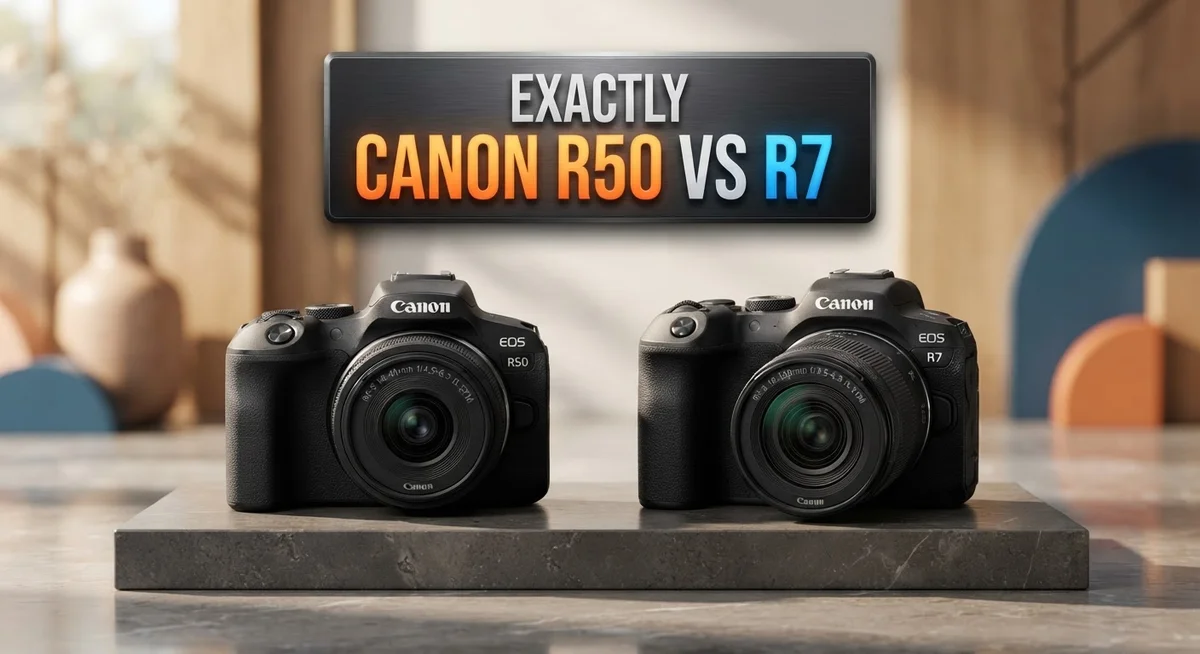
Picking a new camera can feel tricky. Canon offers two great APS-C options: the R50 and the R7. Both cameras share a similar sensor size, but they serve different types of photographers.
The R50 is light, simple, and easy to use. It works well for beginners who want great photos without a steep learning curve.
The R7 steps things up. It has a tougher body, faster autofocus, and better burst shooting. Sports and wildlife shooters often love this model.
So, which one fits your needs? This guide breaks down the real differences between these two cameras. We will look at build quality, autofocus speed, video features, and overall performance.
By the end, you will know exactly which Canon camera belongs in your bag. Let’s jump right in and compare these two popular mirrorless cameras.
In a Nutshell
Here is a quick snapshot before you dive deeper into the details.
-
The R7 packs a metal, weather sealed body. This makes it tough for outdoor shoots in tricky weather.
-
In body stabilization comes only with the R7. The R50 skips this feature, so you will need steady hands or a tripod.
-
Dual card slots on the R7 give you backup storage. The R50 relies on a single slot, which suits casual shooters just fine.
-
Autofocus and burst speed are stronger on the R7. This makes it a solid pick for action or sports photography.
-
The R50 offers a responsive touchscreen and a comfortable viewfinder position. It feels natural for everyday shooting and vlogging.
-
Video performance leans in favor of the R7, thanks to its advanced processing power.
-
Both cameras compete with models like the Nikon Z50 II and Sony A6400, so Canon holds its ground well in this class.
Sensor and Image Quality
Both cameras use the same APS-C sensor size, but their image quality differs in meaningful ways. The R7 delivers sharper files with better dynamic range thanks to its more advanced image processor. This processor handles colors more accurately and recovers shadow detail with greater precision.
The R50 produces clean, vibrant images that work well for everyday shooting. You will notice the difference mainly in challenging lighting situations. When you shoot in dim conditions or high contrast scenes, the R7 maintains more detail and color accuracy.
Autofocus performance plays a huge role in image quality. The R7 features a superior autofocus system with more focus points and faster tracking speed. This means sharper shots, especially when photographing moving subjects. The R50 has solid autofocus, but it processes information slightly slower.
The R7 includes in body image stabilization (IBIS). This feature reduces camera shake and produces sharper handheld shots, particularly in low light. The R50 lacks IBIS, so you depend entirely on lens stabilization. This matters most when using slower shutter speeds or telephoto lenses.
Burst shooting speed affects image sharpness too. The R7 fires faster, letting you capture more frames per second. This gives you more chances to nail the perfect sharp shot during action sequences. The R50 shoots slower, which limits your options for fast moving moments.
Video recording reveals another quality gap. The R7 captures video with superior color science and smoother autofocus during recording. The R50 handles video competently, but lacks the refinement of its bigger sibling.
For everyday photography, the R50 delivers excellent results. Colors pop, details remain clear, and the touchscreen makes adjustments simple. However, if you demand the sharpest possible images, need IBIS support, or shoot in unpredictable lighting, the R7 pulls ahead. The choice depends on how much image quality matters for your specific projects.

- Includes Versatile 18–45mm Lens: Covering wide to standard focal lengths, this compact zoom lens...
- Oversampled 4K with Dual Pixel AF: Enjoy sharp, smooth footage with reliable subject tracking...
Last update on 2026-11-08 / Affiliate links / Images from Amazon Product Advertising API
Build Quality and Weather Sealing
The R7 features a metal body that can handle tough conditions, while the R50 uses a plastic construction. This difference matters if you shoot in rain, dust, or challenging environments.
Canon sealed the R7 with weather resistant materials throughout. The camera has gaskets around buttons, dials, and compartments. Rain and moisture have a harder time reaching internal components. The R50 lacks this comprehensive sealing. It can handle light drizzle, but extended exposure to wet conditions risks damage.
The R7 includes dual card slots for backup storage. If one card fails during a shoot, your images stay safe on the second card. The R50 has only a single slot. You must swap cards or use external storage if you run out of space.
In body image stabilization (IBIS) comes standard on the R7. This feature reduces camera shake during handheld shooting. The R50 does not have IBIS, so you rely on lens stabilization instead. This affects your ability to shoot sharp images in low light without a tripod.
The R7 handles burst shooting faster than the R50. Faster bursts mean the shutter mechanism endures more stress. Canon built the R7 with a more robust internal structure to handle this demand. The R50 can burst shoot, but at a slower pace, so its mechanical parts experience less strain.
Build quality extends to the viewfinder and screen too. The R7 uses a larger, brighter viewfinder. The R50 has a responsive touchscreen that feels smooth and modern. Neither viewfinder is fragile, but the R7 feels more premium in hand.
For serious outdoor work, the R7 wins. Its sealed body and metal construction keep your investment safe. For casual shooting indoors or in mild weather, the R50 holds up fine. Consider where and how often you shoot before deciding which build quality matters most to you.
Autofocus and Performance
The autofocus system separates these two cameras in meaningful ways. The R7 uses a more advanced autofocus processor that locks onto subjects faster and tracks moving targets with greater accuracy. The R50 delivers solid autofocus performance for everyday shooting, but it lacks the speed and precision you need for fast action.
Burst shooting speed tells you how many frames the camera captures per second. The R7 shoots significantly faster, making it ideal for sports, wildlife, and unpredictable moments. The R50 handles burst shooting at a slower rate, which works fine for portraits and static scenes but struggles when subjects move quickly.
Eye detection autofocus matters when you photograph people. Both cameras include this feature, but the R7 executes it more reliably in tricky lighting conditions. The R50 performs well in good light but can lose focus in dim environments. This difference becomes obvious when you shoot indoors or during golden hour.
Real world performance shows up in your keeper rate. The R7 lets you capture more sharp images because its autofocus rarely misses. The R50 requires slightly more careful composition and slower shooting speeds to maintain sharpness. If you shoot fast moving subjects regularly, the R7 reduces frustration.
Video autofocus also differs between these models. The R7 maintains focus smoothly during video recording, even when you pan across scenes. The R50 handles basic video autofocus but can hunt for focus during complex movements. Videographers notice this gap immediately when editing footage.
Processing power fuels these autofocus differences. The R7 includes a more powerful processor that handles autofocus calculations faster. The R50 uses a simpler processor that prioritizes battery life and simplicity over raw speed.
For photography types that demand speed, the R7 proves its worth. For casual shooters and controlled environments, the R50 autofocus performs admirably. Your shooting style determines which autofocus system matters more to your workflow.
Top 3 Alternatives
Sony A6700

- 26.0MP APS-C format Exmor R back-illuminated CMOS sensor
- BIONZ XR processing power for exceptional image quality

Last update on 2026-11-08 / Affiliate links / Images from Amazon Product Advertising API
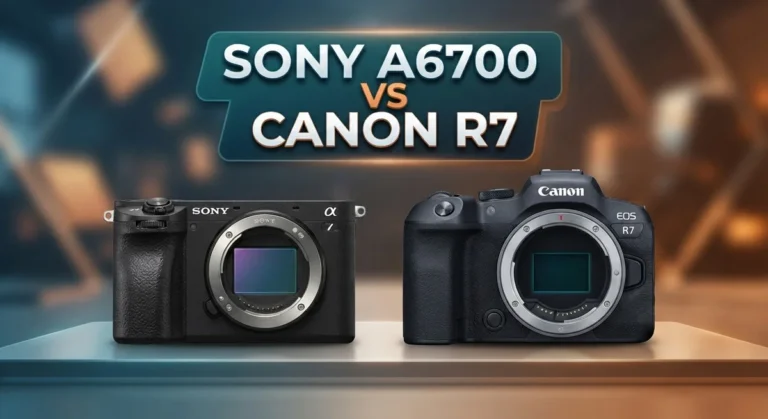
The Sony A6700 offers excellent autofocus performance with real-time tracking. This camera excels at video recording with smooth stabilization features. You get a compact body that feels comfortable in your hands during long shooting sessions.
The sensor captures sharp images in various lighting conditions. Battery life lasts through a full day of shooting. The menu system takes time to learn but becomes intuitive once you understand it.
Nikon Z50 II

- Go Beyond Your Phone: Capture lifelike colors and incredible details from dawn to dusk thanks to a...
- Find Your Aesthetic: At the press of the Picture Control button, choose from 31 built-in presets...
Last update on 2026-11-08 / Affiliate links / Images from Amazon Product Advertising API
The Nikon Z50 II delivers reliable performance for both photos and videos. This camera features a lightweight design that makes travel photography easier. The lens ecosystem provides good options for different shooting styles.
Autofocus works smoothly across the frame. The image quality remains consistent whether you shoot in bright sunlight or dimmer environments. The ergonomic grip reduces hand fatigue during extended use.
Fujifilm X-S20

- FUJIFILM X-S20 Mirrorless Camera with XC 15-45mm f/3.5-5.6 OIS PZ Lens (USA Warranty) 16781943
- SanDisk 128GB SDXC Extreme PRO Memory Card, Vivitar Memory Card Wallet, SD Card Reader
Last update on 2026-10-12 / Affiliate links / Images from Amazon Product Advertising API
The Fujifilm X-S20 produces stunning colors straight from the camera. This model includes film simulation modes that give your photos a unique character without heavy editing. The retro design appeals to photographers who value aesthetics.
The camera handles fast-moving subjects well with its quick autofocus system. Video stabilization keeps your footage smooth during handheld recording. The compact size makes it perfect for photographers who prefer traveling light.
Each option brings different strengths to your photography. The Sony excels at autofocus speed. The Nikon offers simplicity and reliability. The Fujifilm provides distinctive color rendering. Your choice depends on which features matter most to your shooting style and creative vision.
Video Capabilities and Recording Features
The R7 and R50 both record video, but they take different approaches to this feature. The R7 delivers superior video performance because it has more processing power under the hood. This extra power helps the camera handle complex video tasks without breaking a sweat.
The R50 can record video just fine for most creators. It captures clean footage that works well for vlogging, tutorials, and social media content. However, the R7 gives you more flexibility when you’re working with demanding video projects.
One key difference shows up in video autofocus. The R7 tracks moving subjects more smoothly during recording. The R50’s autofocus works, but it can feel less fluid when your subject moves around the frame. This matters if you shoot handheld video or film people moving through scenes.
Frame rates and codecs differ between these cameras too. The R7 supports more recording options, giving you greater creative control in post production. The R50 covers the basics well, so casual video shooters won’t feel limited.
In body image stabilization changes the video game for the R7. When you record video without a tripod, IBIS keeps your footage smooth and steady. The R50 lacks this feature, so you’ll need a tripod or gimbal for professional looking results. Hand held shooting becomes shaky without stabilization.
The R7 also handles low light video better. Its processing power produces cleaner footage when you’re filming in dim conditions. The R50 struggles slightly in these situations, though it still performs respectably.
Heat management matters during long recording sessions. The R7 can record for extended periods without throttling. The R50 may limit recording time during hot weather or continuous shooting.
Choose the R7 if video is a major part of your workflow. Its advanced features and stabilization make it the clear winner for video creators. The R50 works fine for occasional video use, but it won’t match the R7’s capabilities when you need professional results.
Stabilization and Handling
When you hold the R50, you notice its lighter weight right away. The camera feels responsive in your hands during long shooting sessions. The R7 weighs more but offers a sturdier grip that many photographers prefer for extended use.
The R50’s touchscreen is positioned well and lets you navigate menus quickly. You can tap to focus and swipe through settings without fumbling. The R7 also has a touchscreen, but its interface feels more professional and less playful.
Handling comfort matters when you shoot for hours. The R50 suits smaller hands and travel photographers who want minimal bulk. The R7 has a deeper grip that accommodates larger hands better and feels more secure during intense shooting moments.
The viewfinder placement differs between these cameras. On the R50, the eyepiece sits higher and feels more accessible. The R7 positions its viewfinder slightly lower, which some users find more natural for eye-level composition.
In body stabilization changes everything for handheld shooting. The R50 lacks IBIS, so you rely on lens stabilization alone. This means slower shutter speeds become risky without a tripod. The R7 has built in stabilization that compensates for camera shake automatically. You can shoot at speeds that would blur on the R50.
Low light handling reveals another difference. Without IBIS, the R50 forces you to raise ISO or use faster lenses. The R7 stays steady at lower ISOs thanks to its stabilization system. This gives you cleaner images in dim conditions.
Burst shooting affects how you handle rapid action. The R7 captures frames faster, so your hands need less precision between shots. The R50 shoots slower, requiring more deliberate timing on your part.
The R50 feels nimble and approachable for learning photographers. The R7 demands more control but rewards you with professional handling characteristics. Choose the R50 if you value simplicity and light weight. Pick the R7 if you need stabilization and a camera that feels built for demanding work.
Pros and Cons
Pros
- R7 delivers metal weather-sealed construction that handles demanding outdoor conditions
- R7 captures more frames per second during burst shooting for fast-paced action
- R50 offers a responsive touchscreen positioned for quick menu navigation
- R50 provides an excellent viewfinder placement that feels natural during shooting
- R7 excels at autofocus performance with superior eye detection for portrait work
Cons
- R50 lacks in body image stabilization, so you depend on lens stabilization alone
- R50 has only a single card slot instead of dual slots for backup storage
- R7 demands significant lens investment to build out your system
- R50 shows reduced low light video performance compared to the R7
Who Should Buy It
The R50 works best for photographers just starting their mirrorless journey. You get a responsive camera that feels intuitive in your hands. The touchscreen responds quickly to your inputs, and the viewfinder sits in a natural position for extended shooting sessions. This camera lets you focus on learning composition and exposure without overwhelming complexity.
The R7 appeals to photographers who demand professional performance. You shoot sports, wildlife, or fast-paced events where every frame counts. The superior autofocus with eye detection catches moments others miss. Burst shooting speed means you capture the peak action reliably. This camera rewards your investment in quality lenses and advanced techniques.
Choose the R50 if you value portability and ease of use. The lighter weight means less fatigue during all-day shoots. You want a camera that handles general photography, travel, and learning without demanding specialized gear. The single card slot works fine when you’re not shooting critical assignments where backup storage matters.
Pick the R7 if your work depends on reliability in harsh conditions. The metal weather-sealed body protects your investment during rain, dust, or challenging environments. You need in-body image stabilization for handheld video work. Dual card slots give you peace of mind during important shoots. This camera handles demanding workflows where you can’t afford missed shots.
The R50 suits hobbyists and enthusiasts building their first system. You explore different genres without committing to expensive professional equipment. The camera grows with your skills as you discover what matters most to you photographically.
The R7 fits photographers and videographers with established workflows. You already know your needs and want a camera that delivers without compromise. You shoot in varied lighting conditions and need autofocus that keeps pace with your vision. This camera becomes your reliable partner for years of professional or serious enthusiast work.
Both cameras serve their audiences well. Your choice depends on where you stand in your photography journey and what demands your specific work places on your equipment.
Final Verdict
Your final choice depends on what you value most in a camera. Think about your long term goals before deciding. Both cameras serve different types of creators well.
If you want a simple path into mirrorless photography, the R50 makes sense. It gives you room to grow without overwhelming you with features you don’t need yet.
The R7 suits creators who already know their style. You understand your needs, and this camera meets them with confidence.
Trust your shooting habits when making this decision. Ask yourself how often you shoot fast moving subjects or work in tough conditions. Your answer points you toward the right camera.
Some photographers outgrow entry level gear quickly. Others stay happy with simple tools for years. Neither path is wrong.
Consider your creative goals too. If you plan to expand your lens collection and push your skills further, the R7 supports that journey better. If you prefer straightforward shooting without extra complexity, the R50 fits naturally.
Your comfort level with technology matters as well. Some users enjoy exploring menus and settings. Others want a camera that just works. Both models cater to these different mindsets.
Think about where you see yourself in a year or two. Will you still shoot casually, or will you chase more advanced projects? This question helps clarify your decision.
There is no universal winner here. Each camera excels in its own category. Your personal needs decide which one wins for you.
Take time to reflect on your priorities. Consider how you shoot, what you shoot, and how you want to grow as a photographer. This reflection leads you to the right choice.
Whichever camera you pick, you gain access to Canon’s reliable RF mount system. Your investment in glass carries forward as your skills grow. That gives you peace of mind no matter which body you choose today.
Frequently Asked Questions
Does the R50 have image stabilization?
No. The R50 lacks in body image stabilization. You depend on lens stabilization alone when shooting with this camera. This means you should pair it with RF lenses that feature optical stabilization if you shoot in low light or at slower shutter speeds. Many Canon RF lenses include this feature, so it’s worth checking your lens specs.
The R7 includes in body stabilization, which works with any lens you attach. This difference matters most when you use older lenses or third party glass.
Which camera handles video better?
The R7 excels at video performance. It captures more frames per second and delivers superior autofocus tracking during recording. The R7 fits photographers and videographers with established workflows who need consistent video output.
The R50 handles basic video well enough for social media content and casual projects. It won’t match the R7’s capabilities, but it gets the job done for learning videographers.
Can I use the same lenses on both cameras?
Yes. Both cameras use Canon’s reliable RF mount system. Any RF lens works on either body. The main difference is that the R7 pairs better with slower shutter speed shooting since it has built in stabilization.
What if my memory card fills up during a shoot?
The R50 has only a single card slot. Once your card fills, you stop shooting. The R7 includes dual card slots, so you can swap cards or record to a second card as backup. This matters for professionals who shoot long events without downtime.

Dillip is the founder and editor of Switch & Size, where he breaks down tech products, accessories, and gadgets to help readers make smarter buying decisions. With a passion for testing and comparing the latest technology, he delivers honest reviews, in-depth guides, and side-by-side comparisons that cut through the marketing noise.