Canon R6 vs RP: Full-Frame Mirrorless Camera Comparison
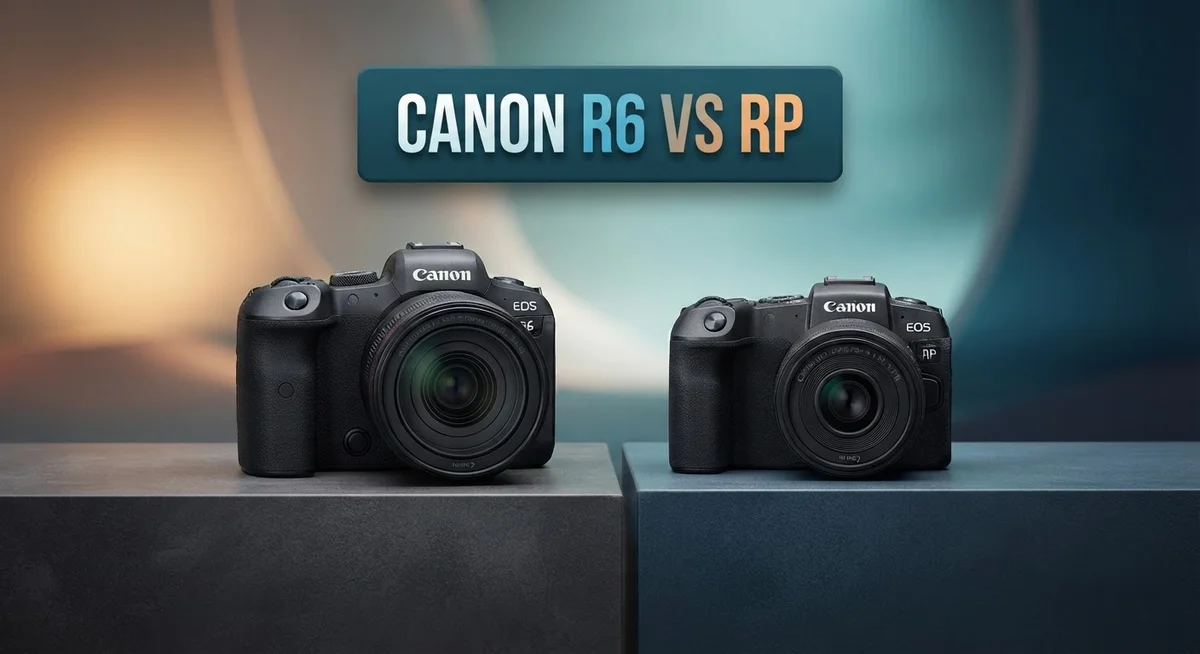
Choosing between the Canon R6 and the Canon RP can feel tricky. Both cameras carry the EOS full frame legacy. But they serve different kinds of photographers.
The Canon RP stays light and compact. It packs a sharp 26.2MP sensor. This makes it a great pick for casual shooters and travelers.
The Canon R6 brings more muscle to the table. It offers fast autofocus, in body stabilization, and strong burst shooting. Action and video shooters will feel the difference immediately.
So which one fits your style? This guide breaks down specs, pros, and cons side by side. You will see exactly where each camera shines.
By the end, you will know which Canon body deserves a spot in your bag. Let’s get into the details.
In a Nutshell
Here is a quick summary to help you decide fast.
-
The Canon RP works best for travel and everyday shots. It stays light in your bag. It also packs 26.2MP for sharp detail.
-
The Canon R6 shines when action gets fast. Its autofocus locks onto moving subjects with ease. This makes it great for sports and wildlife.
-
Battery life differs a lot between these two. The RP drains fast during long shoots. The R6 lasts longer and keeps up with busy days.
-
Video shooters should note the gap in capability. The RP limits your 4K options. The R6 handles video tasks with more flexibility.
-
Screen and handling feel different too. The R6 offers an articulating screen and better grip comfort. The RP keeps things simple and compact.
-
Think about your shooting style first. Casual shooters may love the RP. Action photographers will likely prefer the R6.
Both cameras serve different needs well. Your choice depends on what you shoot most.
Sensor and Resolution
The sensor sits at the heart of any camera. Both the Canon R6 and Canon RP use full frame CMOS sensors, but they differ in key ways.
The Canon RP packs 26.2 megapixels into its sensor. This higher resolution means you capture more detail in every shot. You can crop images more aggressively and still maintain sharpness. Print sizes can go larger without losing quality. The DIGIC 8 processor handles all that data quickly.
The Canon R6 uses a 24.2 megapixel sensor instead. While slightly lower in resolution, this sensor excels at other tasks. The R6 includes in body image stabilization (IBIS), which the RP lacks entirely. This stabilization helps you shoot handheld in low light without blur. It also steadies video footage automatically.
Resolution matters for detail work, product photography, and large prints. The RP wins here with its extra 2 megapixels. However, real world differences feel small for most shooting scenarios. You won’t notice the gap unless you print poster sized images or crop heavily.
The R6 sensor shines in different areas. Its IBIS system gives you freedom to shoot slower shutter speeds. You can handheld a telephoto lens without camera shake ruining the shot. Low light performance improves because you can use longer exposures safely.
Processing power differs too. The RP runs on DIGIC 8 technology. The R6 uses a newer processor that handles faster burst rates and better autofocus tracking. This matters when you shoot sports or wildlife.
Think about your actual needs here. Do you print large images regularly? The RP’s resolution advantage helps. Do you shoot video or moving subjects? The R6’s stabilization and processor speed matter more.
Both sensors deliver excellent color and dynamic range. Neither camera produces bad images. The choice depends on whether you value extra megapixels or extra stabilization. Travel photographers often prefer the RP’s resolution for flexibility. Action and video shooters gravitate toward the R6’s technical advantages. Your shooting style determines which sensor serves you better.

- First EOS V-Series camera equipped with a 7K/32.5MP full-frame CMOS Image Sensor and DIGIC X Image...
- Video-focused features include a vertical tripod mount and UI, a front record button, Power Zoom...

Last update on 2026-11-07 / Affiliate links / Images from Amazon Product Advertising API
Autofocus and Tracking Performance
The autofocus system separates these two cameras in meaningful ways. The Canon R6 features a significantly more advanced AF system that locks onto moving subjects with confidence. The Canon RP uses an older autofocus design that struggles when your subject moves fast.
Real world shooting tells the story. When you track a running athlete or a flying bird, the R6 keeps up. The RP falls behind. The R6’s autofocus points cover more of the frame, giving you flexibility in composition. The RP offers fewer focusing zones, which limits your options.
Eye tracking matters for portrait work. The R6 detects and follows eyes automatically, even as your subject moves. The RP lacks this feature entirely. If you shoot people regularly, this difference becomes obvious fast.
Continuous autofocus performance shows another gap. The R6 maintains focus during bursts of rapid shots. The RP’s tracking performance drops when you shoot at its maximum 5 fps burst rate. For wildlife and sports, the R6 delivers reliability.
The processor inside each body affects autofocus speed too. The R6 uses newer processing technology that makes focusing decisions faster. The RP’s DIGIC 8 processor works well for static subjects but cannot match the R6’s performance on moving targets.
Low light autofocus differs as well. The R6 focuses accurately in darker conditions. The RP needs more light to lock focus reliably. This matters for indoor events, concerts, and evening shoots.
Video autofocus performance favors the R6 too. During video recording, the R6 tracks subjects smoothly without hunting. The RP’s autofocus can be unpredictable during filming, causing focus shifts that ruin shots.
For hybrid shooters who mix stills and video, the R6 wins decisively. For static photography like landscapes or studio work, both cameras focus fine. The RP’s autofocus weakness only shows up when subjects move or when you need continuous tracking.
Your shooting style determines if this matters. Travel photographers capturing street scenes benefit from the R6’s tracking. Studio and landscape shooters find the RP’s autofocus perfectly adequate for their needs.
Video and Burst Capabilities
The Canon R6 and Canon RP handle video and burst shooting in distinctly different ways. Understanding these differences matters if you shoot fast action or record video regularly.
Burst shooting speed tells the first story. The RP captures 5 frames per second continuously, which works fine for most situations. The R6 jumps ahead significantly with a much higher continuous shooting rate. This gap matters when you photograph sports, wildlife, or unpredictable moments. The R6 gives you more chances to catch the perfect shot.
Video capabilities show an even wider separation. The RP records 4K footage at 24 or 25 frames per second only. This limits your creative options for modern video work. The R6 delivers superior video performance across the board. You get more frame rate options, better stabilization, and smoother autofocus during video recording. Hybrid shooters who mix stills with video clips will notice the R6 feels like a different camera entirely.
Autofocus during video performs noticeably better on the R6. The RP struggles to track moving subjects smoothly. The R6’s advanced autofocus system keeps focus locked on your subject even when they move across the frame. This makes a huge difference if you shoot interviews, events, or any moving subject.
The IBIS system in the R6 adds another layer. In-body image stabilization lets you handheld video at slower shutter speeds without blur. The RP lacks this feature entirely. Tripod users won’t notice, but handheld videographers will appreciate the difference immediately.
Battery performance affects burst shooting too. The RP’s modest battery life means you might hit limits during long shooting sessions. The R6 keeps firing longer between charges.
Bottom line: Pick the RP if you shoot occasional bursts and rarely record video. Choose the R6 if you need fast burst rates, serious video capability, or smooth autofocus tracking. Your actual shooting needs should guide this decision more than specs alone.
Top 3 Alternatives
Sony Alpha A7IV

- 33MP1 full-frame Exmor R back-illuminated CMOS sensor
- 8x more powerful2, next generation BIONZ XR image processing engine
Last update on 2026-11-07 / Affiliate links / Images from Amazon Product Advertising API
The Sony Alpha A7IV gives you a full-frame sensor with 61 megapixels. You get excellent autofocus performance that tracks subjects smoothly across the frame. The camera shoots 4K video at up to 60fps, making it great for content creators. Its compact body feels comfortable in your hands during long shooting sessions.
The battery life is solid, and the camera handles both photography and video work well. You’ll appreciate the fast processing speed when working with large files. The menu system takes time to learn, but once you master it, you’ll work faster.
Nikon Z6 III

- VIDEO - 6K/60p Internal N-RAW video recording + oversampled 4K UHD, 4K/120p, Full HD/240p slow...
- BEST IN CLASS EVF - Max brightness of 4000 nits gives a clear, vibrant view even in very bright...
Last update on 2026-11-07 / Affiliate links / Images from Amazon Product Advertising API
The Nikon Z6 III features a 24.2-megapixel full-frame sensor with impressive low-light performance. This camera excels at autofocus, especially for video work. You can shoot 8K video, which gives you flexibility for future projects.
The build quality feels premium, and the ergonomics suit photographers with different hand sizes. The camera offers fast continuous shooting at up to 14 frames per second. Battery performance is reliable for full-day shoots. The Z-mount system provides access to quality lenses that deliver sharp results.
Panasonic Lumix S5II

- Key Upgrades to a Compact Hybrid Powerhouse: Panasonic S5II with Phase Hybrid Autofocus, Improved...
- Fast, Accurate Phase Hybrid Autofocus: This full frame mirrorless camera uses advanced subject...
Last update on 2026-11-07 / Affiliate links / Images from Amazon Product Advertising API
The Panasonic Lumix S5II brings a 47.3-megapixel sensor to the table with strong video capabilities. This camera shoots 6K video, giving you creative options in post-production. The full-frame design provides excellent depth-of-field control for portraits.
You’ll find the body lightweight and portable for travel photography. The autofocus system works reliably in various lighting conditions. The camera offers good value without sacrificing performance. Its L-mount system connects you to lenses from Leica and Sigma, expanding your options.
Design, Ergonomics, and Build Quality
The Canon RP feels lighter in your hands. It weighs just 485 grams, making it the lightest full-frame EOS camera available. This compact design fits easily into smaller bags and works great for travel photographers.
The Canon R6 brings a more substantial feel. At 738 grams, it sits heavier but offers better balance when you attach larger lenses. The grip feels more secure during long shooting sessions.
Build quality differs between these two bodies. The R6 features a magnesium alloy frame that handles tough conditions better. The RP uses a composite material that still feels solid but requires more careful handling in wet environments.
The articulating screen on the R6 changes everything for video work. You can flip it out for vlogging, overhead shots, and low-angle compositions. The RP has a fixed screen, which limits creative angles.
Button placement matters for your comfort. The R6 spreads controls across the back more intuitively. Your thumb lands naturally on the AF-ON button and joystick. The RP packs buttons more tightly, which takes adjustment time.
Weather sealing protects your investment differently. The R6 offers superior dust and moisture resistance with its sealed joints and gaskets. The RP has basic weather resistance but shouldn’t go into heavy rain without precautions.
The viewfinder experience differs too. The R6’s viewfinder shows a larger, brighter image that feels more immersive. The RP’s viewfinder works fine for general shooting but feels cramped during fast-paced action.
Hand fatigue becomes real during extended shoots. The R6’s ergonomic shape and larger grip reduce strain on your fingers and palm. The RP’s smaller body can tire your hand after several hours of continuous shooting.
Choose the RP if you prioritize portability and pack light for travel. The compact size and light weight make it your best friend on hiking trips and international adventures.
Pick the R6 if you value comfort and professional handling. The larger body, better grip, and articulating screen create a more enjoyable shooting experience during long sessions and demanding work.
Battery Life and Portability
The Canon RP and R6 handle battery life and portability in very different ways. Your choice depends on how much gear you carry and how long you shoot between charges.
The RP excels at portability. This camera is the lightest full-frame EOS model Canon makes. It fits easily into small bags and feels comfortable during all-day walks. The compact body means less fatigue when you shoot handheld for hours. Travel photographers love this camera because it takes up minimal space in luggage.
Battery life tells a different story. The RP struggles here. You get roughly 250 shots per charge under normal conditions. If you shoot video or use the articulating screen frequently, expect fewer images. Bring extra batteries if you plan extended shooting sessions away from power sources.
The R6 offers superior battery performance. This camera delivers approximately 380 shots per charge. The larger body houses a bigger battery, which makes a real difference during long days. Video recording drains batteries faster on both models, but the R6 lasts noticeably longer overall.
Size and weight matter for different reasons. The RP weighs about 485 grams and feels nimble in your hands. The R6 weighs roughly 738 grams and feels more substantial. Neither camera is heavy, but the difference becomes obvious during extended handheld shooting.
Consider your shooting style before deciding. Travel light with the RP if you don’t mind changing batteries frequently. The compact design wins for backpacking or street photography where every ounce matters. The RP fits into small camera bags designed for mirrorless systems.
Choose the R6 if you shoot longer sessions and want fewer battery interruptions. The larger grip also feels more secure during extended use. Professional work often demands the R6’s battery reliability.
Both cameras use the same battery type, so you can share spares if you own both. The real question is whether portability or battery endurance matters more to your workflow.
Pros and Cons
Pros
- RP: Lightest full-frame Canon EOS option with 26.2MP resolution for high-detail shots
- RP: Compact size makes it ideal for travel and minimal pack weight
- R6: Superior autofocus system excels at tracking moving subjects reliably
- R6: Articulating screen enables creative angles for video and selfie work
- R6: In-body image stabilization reduces camera shake without a tripod
Cons
- RP: Battery drains quickly, forcing frequent recharges during longer shoots
- RP: Autofocus struggles to track fast-moving subjects smoothly
- RP: Burst shooting maxes out at 5 fps, limiting action photography options
- R6: Higher initial investment compared to entry-level full-frame cameras
Who Should Buy It
The Canon RP works best for photographers who travel constantly and need a camera that won’t weigh them down. If you hike to remote locations or carry gear all day, this compact body keeps your neck and shoulders happy. Street photographers love it too because it draws less attention than larger cameras.
This camera suits you if you shoot mostly still images and rarely need video. The high 26.2MP resolution gives you plenty of detail for large prints and cropping flexibility. You’ll appreciate the small footprint when space is tight in your camera bag.
The Canon R6 belongs in the hands of professionals and serious enthusiasts who demand peak performance. If you shoot fast moving subjects like sports or wildlife, the superior autofocus system tracks action reliably. Video creators will love the articulating screen for recording at unusual angles without awkward positioning.
Choose the R6 if you spend entire days shooting without returning to your car or studio. The battery lasts significantly longer, so you won’t panic mid session. The in body image stabilization lets you shoot handheld in lower light without a tripod, which saves setup time.
The R6 makes sense if you already own Canon EF or RF lenses and want a body that maximizes their potential. The advanced autofocus unlocks what your glass can truly deliver. Professionals who bill clients need this reliability because missing focus isn’t an option.
Consider the RP if you’re upgrading from an older Canon DSLR and want modern features without complexity. Its straightforward handling suits photographers who prefer simplicity over advanced menus. Content creators on social media find the compact size perfect for vlogging on the go.
The R6 appeals to you if you shoot in variable conditions and want one camera that handles everything. Better weather sealing protects your investment during unpredictable weather. The ergonomic design prevents hand fatigue during marathon shooting sessions where comfort directly impacts your work quality.
Final Verdict
Picking between these two cameras comes down to your daily needs. Both models serve different photographers, and neither one is a bad choice.
The Canon RP shines for casual shooters. It fits easily into a small bag and feels light on long walks. If you value simplicity over speed, this camera meets that need.
The Canon R6 stands out for people who push their gear hard. It handles fast action, tricky light, and long shoots with more confidence. Serious hobbyists and professionals often find it the smarter long term pick.
Think about how you shoot most often. Do you snap quiet portraits and landscapes, or do you chase sports, wildlife, and events? Your answer points you toward the right camera fast.
Video creators should lean toward the R6. Its smoother autofocus and flexible screen make solo filming much easier. The RP can still record video, but it feels more limited during fast scenes.
Photographers who value speed and reliability will likely prefer the R6 as well. It reacts quickly and rarely misses a moment during unpredictable action.
On the other hand, if you already own basic lenses and want a gentle step into full frame shooting, the RP still makes sense. It offers a simple path without overwhelming menus or settings.
Neither camera claims to be perfect for everyone. The right choice depends on your goals, your subjects, and how often you shoot.
Some buyers will value light weight and simple control above all else. Others will value sharp tracking and smooth handling during long sessions.
Whichever you pick, both cameras carry the same Canon reliability people expect. Your final decision should match your shooting habits, not just specs on paper. Choose the tool that fits your workflow, and your results will follow naturally.
Frequently Asked Questions
Which camera has better autofocus for video work?
The R6 wins here. It uses Canon’s latest autofocus system with eye-tracking and face-detection that works smoothly during video recording. The RP’s autofocus can hunt and struggle when you’re filming moving subjects or panning across a scene.
If you shoot video regularly, the R6 keeps focus locked without your intervention. The RP requires more manual focus adjustments, which slows down your workflow.
Does the RP really have battery problems?
Yes, the RP drains batteries much faster than most full-frame cameras. You’ll need to carry multiple batteries if you shoot for more than a few hours.
The R6 lasts significantly longer per charge. For all-day shoots, the R6 means fewer interruptions to swap batteries.
Can I use the same lenses on both cameras?
Absolutely. Both cameras use Canon’s RF mount, so any RF lens works on either body. If you own EF lenses, you’ll need an adapter on both cameras.
The difference is that the R6’s superior autofocus gets more out of your lenses during fast-action shooting.
Which camera is better for travel photography?
The RP edges ahead for pure portability. It weighs less and takes up minimal space in your bag.
However, the R6 isn’t much heavier and performs better overall. If you travel but still want professional results, the R6 becomes the smarter choice despite the slightly larger footprint.
Should I buy the RP if I’m new to full-frame?
The RP works fine for learning full-frame basics. It shoots sharp images and handles still photography well.
If you think you’ll grow into video or action photography later, the R6 future-proofs your investment. The RP may feel limiting once your skills advance.

Dillip is the founder and editor of Switch & Size, where he breaks down tech products, accessories, and gadgets to help readers make smarter buying decisions. With a passion for testing and comparing the latest technology, he delivers honest reviews, in-depth guides, and side-by-side comparisons that cut through the marketing noise.