Canon R5 vs R6 Mark III: Complete Comparison Guide
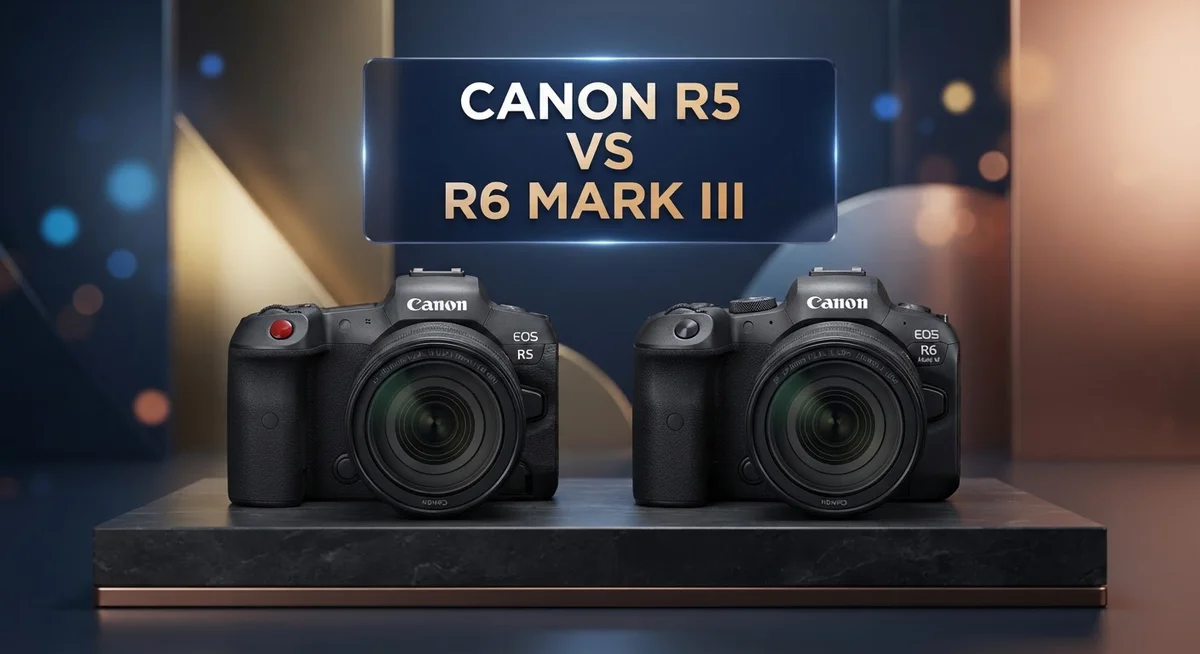
Choosing between the Canon R5 and R6 Mark III feels tough. Both cameras pack serious power for photographers and video creators.
The R5 brings a 45MP sensor. It captures incredible detail for large prints and cropping.
The R6 Mark III shoots faster at 40fps. It also processes data quicker, making it great for action shots.
Build quality differs too. The R5 uses a magnesium alloy body, while the R6 Mark III has a polycarbonate shell.
Low light performance also sets them apart. The R5 focuses better in dark scenes with –7.5 EV sensitivity.
So which camera fits your style? This guide breaks down every key difference. You will find the right pick for your creative needs.
In a Nutshell
Here is the quick summary for you. Check these points before you decide.
-
Data throughput sets them apart. The R5 processes at 950 MP/s. The R6 Mark III doubles this with 1.95 GP/s speed.
-
Autofocus precision favors the R5. It locks focus down to –7.5 EV. The R6 Mark III stops at –6.5 EV.
-
Cropping room differs too. The R5‘s higher megapixel count gives you more room to crop images later.
-
Video shooters lean toward the R6 Mark III. Its video optimized design and intuitive interface make filming simpler.
-
Material choice affects handling. The R5 uses magnesium alloy. The R6 Mark III relies on polycarbonate for a lighter feel.
-
Newer alternatives exist. Check the Canon R5 Mark II or Canon R6 Mark II if you want updated features. Sony and Nikon also offer solid mirrorless options worth a look.
Your final pick depends on what you shoot most. Speed lovers and video creators often prefer the R6 Mark III. Detail focused photographers usually choose the R5.
Sensor Resolution and Image Quality
The sensor sits at the heart of any camera decision. The R5 packs 45 megapixels, while the R6 Mark III delivers 32.5 megapixels. This gap matters most when you crop images or print large formats.
Higher resolution gives you flexibility. The R5 lets you frame loosely in the field, then tighten your composition later. You gain extra detail for billboards, fine art prints, or heavy editing. The R6 Mark III still captures excellent detail for most uses, but you have less room to work with.
Low light separates these cameras significantly. The R5 focuses down to –7.5 EV, while the R6 Mark III reaches –6.5 EV. That one stop difference sounds small. In dark venues, dimly lit rooms, or night scenes, the R5 locks focus faster and more reliably.
Sensor size affects noise too. Both cameras use full frame sensors, but the R5’s higher pixel count spreads across the same area. This means individual pixels are smaller, which can introduce more noise at high ISOs. The R6 Mark III’s lower resolution means larger pixels that gather more light. For extreme high ISO work, the R6 Mark III edges ahead.
Processing speed matters for workflow. The R5 handles 950 megapixels per second, while the R6 Mark III processes 1.95 gigapixels per second. The newer camera works roughly twice as fast. This means quicker buffer clearing and snappier performance overall.
Dynamic range remains strong on both. You’ll recover shadow and highlight detail easily with either sensor. The differences here are minimal for real world shooting.
Video shooters should note the R6 Mark III advantage. Its faster processing and newer engine handle video codecs more efficiently. The R5 still shoots excellent video, but the R6 Mark III feels more responsive during recording.
Choose the R5 if resolution and low light focus matter most. Pick the R6 Mark III if speed and modern processing appeal to you. Your shooting style determines which sensor truly serves you best.

- Canon USA Authorized. Items Include: Canon EOS R6 Mark III Mirrorless Camera, 64GB Memory Card...
- Delivering standout hybrid performance, the EOS R6 Mark III features a 32.5MP full-frame sensor...
Last update on 2026-11-08 / Affiliate links / Images from Amazon Product Advertising API
Autofocus Performance and Low-Light Capability
The autofocus systems in these two cameras handle low-light situations very differently. The R5 excels with a minimum autofocus sensitivity of –7.5 EV, which means it locks onto subjects in near-darkness better than most competitors. The R6 Mark III reaches –6.5 EV, still impressive but one full stop behind.
This difference matters most when you shoot in dim venues like churches, concerts, or indoor events. The R5’s superior low-light AF means fewer missed focus attempts and faster subject acquisition. You’ll spend less time hunting for focus and more time capturing the moment.
Both cameras use Canon’s Dual Pixel CMOS AF technology, so the core system is familiar. However, the R5’s older generation processor handles extreme darkness with more confidence. The R6 Mark III compensates with its 40fps burst rate, letting you capture more frames and increase your odds of nailing focus on a critical shot.
Processing power plays a role here too. The R6 Mark III’s 1.95 GP/s throughput processes autofocus data faster than the R5’s 950 MP/s. This speed advantage helps the R6 Mark III track moving subjects smoothly, even in moderate low-light conditions. You get snappier focus transitions between subjects.
The magnesium alloy body of the R5 also contributes to its low-light reputation. This material houses more robust autofocus sensors and components. The R6 Mark III’s polycarbonate construction works fine but doesn’t offer the same environmental sealing for extreme conditions.
If you frequently photograph in challenging lighting, the R5 remains the safer choice. Wedding photographers, concert shooters, and astrophotography enthusiasts often prefer its –7.5 EV capability. However, if you need continuous autofocus during video or rapid subject tracking, the R6 Mark III’s processing speed and frame rate create a compelling argument.
Your specific shooting style determines which autofocus performance matters more. Static subjects in darkness favor the R5. Dynamic action in moderate light favors the R6 Mark III.
Build Quality and Durability
The R5 uses a magnesium alloy body while the R6 Mark III relies on polycarbonate. This difference shapes how each camera handles daily use and tough conditions.
Magnesium alloy offers superior protection. It resists dents and scratches better than plastic. The R5 feels more solid in your hands. Professional photographers often prefer this material because it survives accidental drops and rough handling. The magnesium construction also helps dissipate heat during long video sessions.
Polycarbonate brings lighter weight. The R6 Mark III weighs less, making it easier to carry on all-day shoots. Some photographers appreciate this advantage when shooting handheld for extended periods. However, polycarbonate can crack or flex under stress more easily than metal.
Weather sealing matters for both cameras. The R5 features more robust sealing around buttons and dials. The R6 Mark III still offers weather resistance, but the plastic body makes it slightly more vulnerable to moisture intrusion over time. If you shoot in rain or near water, the R5 provides extra confidence.
Durability extends beyond materials. The R5’s older design means more replacement parts exist in the used market. The R6 Mark III uses newer components that may be harder to find if repairs become necessary. Both cameras include Canon’s standard warranty coverage.
Heat management differs too. The magnesium body of the R5 conducts heat away from internal components more efficiently. The R6 Mark III’s polycarbonate body traps heat slightly longer, though this rarely causes problems during normal shooting.
Your shooting environment determines which build suits you best. Choose the R5 if you work in harsh conditions like deserts, mountains, or coastal areas. Select the R6 Mark III if portability matters more and you shoot mostly in controlled environments. Both cameras survive typical studio and outdoor photography. The R5 simply offers extra insurance against accidental damage and extreme conditions. The R6 Mark III balances durability with lighter handling for everyday professional work.
Top 3 Alternatives
Sony Alpha a1

- 50.1MP full-frame stacked Exmor RS CMOS sensor w/ integral memory
- 8x more powerful, next generation BIONZ XR image processing engine

Last update on 2026-11-08 / Affiliate links / Images from Amazon Product Advertising API
The Sony Alpha a1 offers professional-grade performance for photographers who want speed and resolution combined. This camera features a 50.1-megapixel sensor that captures incredible detail. You get 11 fps continuous shooting with full autofocus tracking, which makes it excellent for fast-moving subjects.
The autofocus system includes 759 phase-detection points. This means your camera locks onto subjects quickly and accurately. The camera also shoots 4K video at up to 120 fps, giving you flexibility for video work too.
Nikon Z9

- 45.7MP Stacked CMOS sensor and EXPEED 7 image processing. Fast powerful AF that can keep up with the...
- Subject detection uses deep learning to automatically detect and track people, cats, dogs, birds...
Last update on 2026-11-08 / Affiliate links / Images from Amazon Product Advertising API
The Nikon Z9 stands out with its 45.7-megapixel sensor and exceptional autofocus capabilities. It shoots at 11 fps continuously and handles fast-paced action with ease. The camera includes advanced animal and bird eye-detection, which automatically tracks eyes in your frame.
Build quality feels solid and professional. The Z9 handles extreme weather conditions well, making it reliable in challenging environments. Video performance reaches 8K resolution, which appeals to filmmakers seeking maximum quality.
Panasonic Lumix S1R

- Pro-Level Photo and Video Performance: Made to support professionals, this professional camera...
- 24.1MP BSI CMOS Sensor for True-to-Life Detail: Full-frame mirrorless camera has a developed...
Last update on 2026-11-08 / Affiliate links / Images from Amazon Product Advertising API
The Panasonic Lumix S1R brings a 47.3-megapixel full-frame sensor to the table. It delivers exceptional image quality with strong color science. The camera shoots 9 fps continuously and includes dual SD UHS-II card slots for reliable backup.
Video capabilities include 4K at 60 fps with professional codecs. The camera body feels comfortable during long shooting sessions. Panasonic’s autofocus system works reliably across the frame, though it’s slightly slower than competitors. This camera appeals to photographers who value image quality and steady performance over maximum speed.
Burst Speed and Processing Power
The R5 and R6 Mark III handle speed and processing in distinctly different ways. Understanding these differences shapes how smoothly your workflow runs.
The R5 maxes out at 30 frames per second. The R6 Mark III pushes to 40 frames per second. That 10 fps gap matters when you shoot fast action like sports or wildlife. The R6 Mark III captures more moments in each second, giving you better odds of nailing that perfect shot.
Processing power tells a deeper story. The R5 delivers 950 megapixels per second of throughput. The R6 Mark III jumps to 1.95 gigapixels per second. That means the R6 Mark III processes image data roughly twice as fast. Faster processing keeps your buffer clear longer, so you can shoot longer bursts without hitting the limit.
Buffer depth varies too. When you hold the shutter button down, the R6 Mark III maintains its 40 fps speed for extended sequences. The R5 slows down sooner because its older processor fills up faster. For photographers who need long continuous bursts, the R6 Mark III wins hands down.
Speed matters differently depending on your subject. Wedding photographers benefit from the R6 Mark III’s sustained burst capability. Wildlife shooters need those extra frames per second to catch fleeting moments. Sports photographers want both speed and reliability under pressure.
The R5’s 45-megapixel sensor also affects processing speed. More pixels mean larger files, which taxes the processor harder. The R6 Mark III’s 32.5-megapixel sensor creates smaller files that move through the system faster.
Heat management connects to burst speed too. The R6 Mark III stays cooler during extended shooting because its newer processor runs more efficiently. The R5 can throttle performance if it overheats during long video sessions or rapid bursts.
Choose the R6 Mark III if sustained burst shooting defines your work. Pick the R5 if you need maximum resolution and can work within its speed limits. Your typical shooting session determines which speed advantage actually matters to you.
Video Performance and User Interface
Video performance separates these two cameras in meaningful ways. The R6 Mark III shoots at 40 frames per second, while the R5 maxes out at 30 fps. For video work, this speed difference matters when you capture fast action or need smooth slow-motion playback.
The R6 Mark III processes data at 1.95 gigapixels per second. The R5 handles 950 megapixels per second. This means the R6 Mark III moves footage through the camera system much faster. Faster processing helps prevent overheating during long video sessions. It also reduces the chance of dropped frames when recording continuously.
Resolution tells a different story. The R5 offers 45 megapixels while the R6 Mark III provides 32.5 megapixels. Video shooters often care less about total megapixels than stills photographers do. However, higher resolution gives you more flexibility when cropping video in post-production.
The user interface favors the R6 Mark III for video work. Canon designed this camera with video-first thinking. Menu systems feel more intuitive for recording. Button placement and quick access to video settings work smoothly. The R5 handles video well but requires more menu navigation for the same adjustments.
Heat management differs significantly between these models. The R6 Mark III’s faster processing keeps temperatures lower during extended recording. This matters if you shoot documentaries or live events where you cannot stop recording. The R5 can throttle performance if it gets too warm, limiting your shooting time.
Autofocus during video recording performs better on the R6 Mark III. Faster processing power means smoother focus tracking. The R5’s autofocus works reliably but sometimes feels slower when pulling focus manually or following moving subjects.
Choose the R6 Mark III if video represents a major part of your work. Its speed, processing power, and user interface all favor video production. Pick the R5 if you shoot stills primarily and video occasionally. The R5 still delivers solid video performance without the heat management advantages of newer technology.
Pros and Cons
Pros
- R5 captures 45 megapixels per shot, giving you extra detail for large prints and heavy cropping
- R5 excels in extremely dark conditions with autofocus down to –7.5 EV, while R6 Mark III reaches –6.5 EV
- R5 features a magnesium alloy body that resists damage better than plastic construction
- R6 Mark III shoots at 40 frames per second, making it faster for action and sports photography
- R6 Mark III processes data at 1.95 gigapixels per second, keeping the camera cool during long sessions
Cons
- R5 maxes out at 30 frames per second, which feels slow if you shoot fast-moving subjects regularly
- R6 Mark III has only 32.5 megapixels, limiting your ability to crop images without losing quality
- R6 Mark III uses a polycarbonate body instead of metal, meaning it’s less durable in rough shooting environments
Who Should Buy It
Professional photographers who shoot high resolution work should pick the R5. You get 45 megapixels per frame, which means you can print large without losing sharpness. This extra resolution also lets you crop heavily in post-production without sacrificing quality. The R5’s magnesium alloy body survives tough conditions better than plastic construction too.
Sports and action photographers benefit more from the R6 Mark III. The 40 frames per second burst rate captures fast moments you’d miss on the R5’s 30 fps. If you photograph athletes, wildlife, or racing events, this speed difference matters every single day.
Studio and portrait photographers face a different choice. The R5 gives you exceptional detail for fashion work and headshots. The R6 Mark III’s faster processing keeps your workflow smooth when you’re tethering to a computer or managing large shoots.
Video creators should lean toward the R6 Mark III. The faster processing speed prevents overheating during long recording sessions. Your autofocus stays sharp during video too. If you produce content regularly, heat management becomes a real problem on the R5.
Low light specialists prefer the R5. Your autofocus works down to –7.5 EV, which is one full stop better than the R6 Mark III. Astrophotography, concert work, and indoor event coverage all benefit from this advantage.
Wedding photographers often choose the R6 Mark III. You need sustained burst shooting to capture decisive moments throughout a ceremony and reception. The faster frame rate means you never miss the kiss or first dance.
Travel photographers should consider the R5. The higher resolution means you can photograph landscapes and architecture with confidence. You’ll get fine details even when you crop or print large.
Content creators mixing stills and video work better with the R6 Mark III. The intuitive interface makes switching between modes faster and easier. Your processing headroom stays high even during demanding sessions.
Choose the R5 if resolution and durability drive your work. Choose the R6 Mark III if speed, heat management, and video performance matter most to your daily shooting.
Final Verdict
Both cameras shine in their own way. Your final choice depends on what truly matters for your daily shoots.
Think about your primary genre first. Photographers who print large images or work in dim environments gain real benefits from the R5. Its sensor and focus system reward patience and precision.
Creators who blend motion and stills need something different. The R6 Mark III adapts quickly to fast paced projects and demanding shoot schedules.
Neither camera is a wrong choice. Each one serves a distinct type of creative professional. The R5 rewards technical photographers who value fine detail.
The R6 Mark III rewards those who value speed and flexibility. Your workflow should guide this decision more than specs alone.
Consider how you deliver your final work too. Large prints and gallery quality output favor the R5. Fast turnaround projects favor the R6 Mark III.
Long term system growth also matters here. Both cameras share the same lens mount, so switching later stays simple. This flexibility reduces risk no matter which body you pick today.
Think about your comfort with menus and touch controls as well. The R6 Mark III feels more modern in daily use. The R5 feels familiar to photographers who came from earlier Canon bodies.
Your final decision should reflect your actual shooting habits, not just impressive numbers on a spec sheet. Pick the camera that matches how you already work.
If you shoot weddings, sports, or hybrid content, the R6 Mark III supports your pace. If you shoot portraits, landscapes, or fine art prints, the R5 supports your vision.
Both models represent strong choices within the Canon lineup. Trust your genre, your delivery format, and your creative goals to make the right call.
Frequently Asked Questions
Which camera handles fast action better?
The R6 Mark III wins here. It shoots at 40 frames per second compared to the R5’s 30 fps. This extra speed means you capture more moments per second when photographing sports, wildlife, or any fast-moving subject.
The R6 Mark III also processes data faster. Its 1.95 gigapixels per second throughput keeps the camera cool during long shooting sessions. The R5 maxes out at 950 megapixels per second, which can limit sustained burst shooting in demanding situations.
Should I choose the R5 for resolution?
Yes, if resolution matters to your work. The R5 delivers 45 megapixels versus the R6 Mark III’s 32.5 megapixels. This extra detail helps when you need to crop images or print large formats without quality loss.
The R5 gives you more pixels to work with. Professional photographers handling high resolution projects benefit most from this advantage. You gain flexibility in post-production and the ability to zoom into your images digitally.
Which camera is tougher and more durable?
The R5 has a magnesium alloy body. The R6 Mark III uses polycarbonate construction. Magnesium alloy resists damage better and feels more solid in your hands. If durability and build quality drive your decision, the R5 wins.
That said, polycarbonate is lighter and still reliable for most shooting conditions.
Does the R5 focus better in dark light?
The R5 performs better in extremely low light. It focuses down to –7.5 EV, while the R6 Mark III reaches –6.5 EV. This half-stop difference matters when shooting concerts, nighttime events, or indoor venues with minimal lighting.
Low light specialists and night photographers gain a real edge with the R5’s superior autofocus performance.

Dillip is the founder and editor of Switch & Size, where he breaks down tech products, accessories, and gadgets to help readers make smarter buying decisions. With a passion for testing and comparing the latest technology, he delivers honest reviews, in-depth guides, and side-by-side comparisons that cut through the marketing noise.